-
Make a Space Invaders Game in a single HTML file
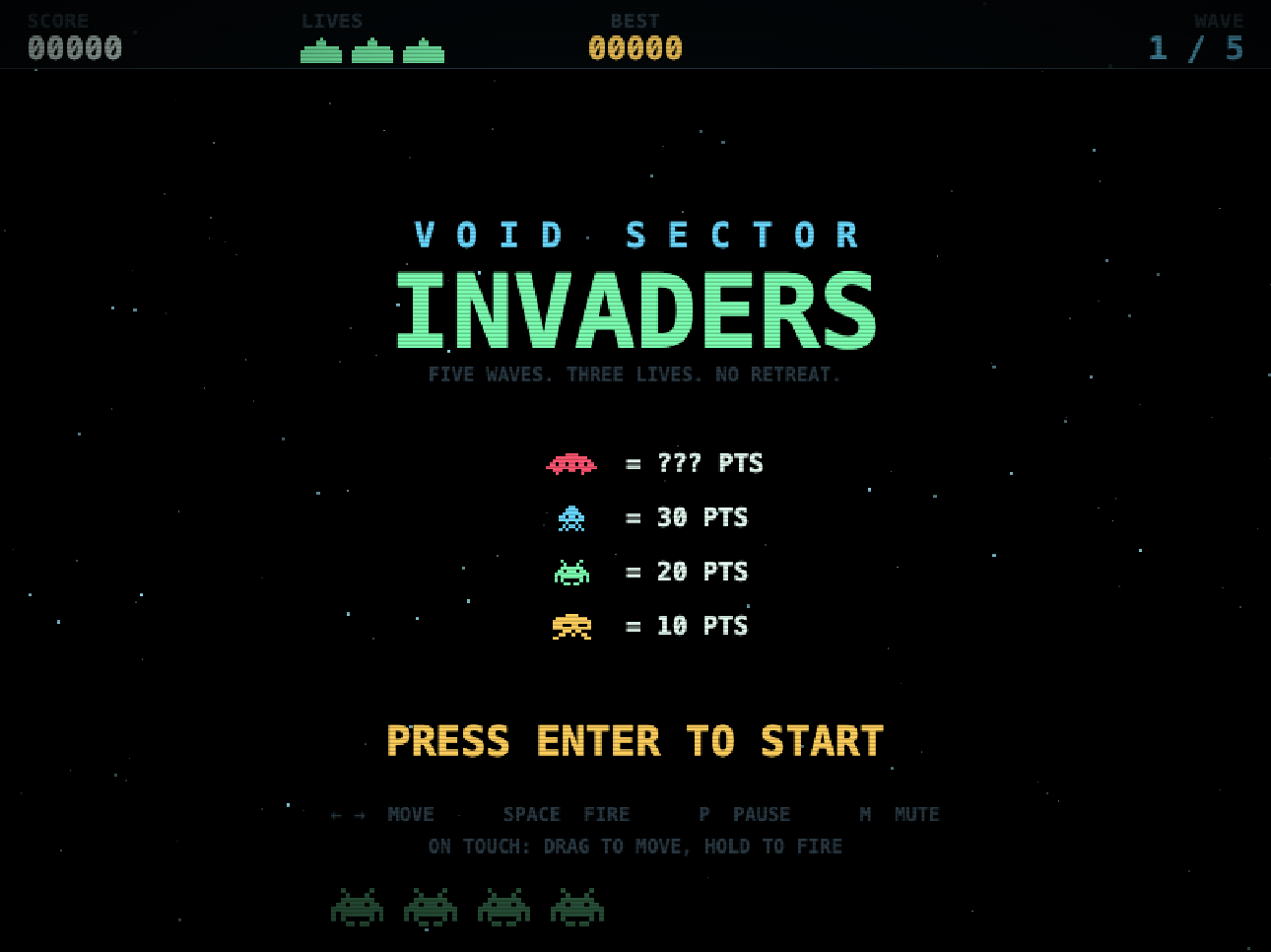
One way to test LLM’s capabilities is creating retro games. I tested two local models: Gemma4:31b and Qwen3.8:27b (boot dense models) and one frontier model: Claude Opus5.5 Continue reading
-
How Binance Was HACKED For $6 Billion
On October 29th (between 20:05 and 20:24 UTC), Binance experienced the largest hack in cryptocurrency history, with approximately $6 billion drained from its hot wallets. The attack began with the compromise of a DevOps engineer’s laptop, allowing attackers to access a service container in Binance’s backend. On the Ethereum network, the attackers utilized EIP-7702 to… Continue reading
-
Is this machine playing?
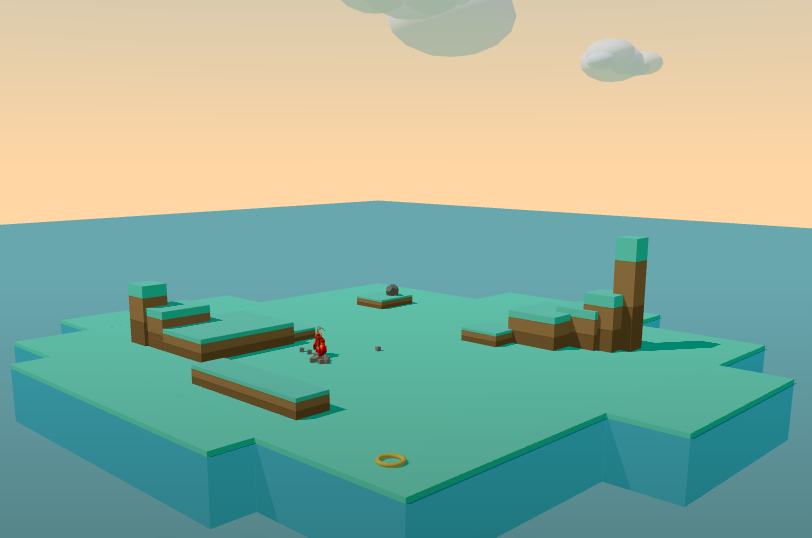
The research from MIT called “Is this machine playing?“, describes an experiment by researchers (including those from MIT CSAIL) who placed copies of Claude Opus 4.7 (nicknamed “Eko”) in a virtual, Roblox-like environment for 30 hours without specific instructions or reward functions. Continue reading
-
The lost city of Atlantis
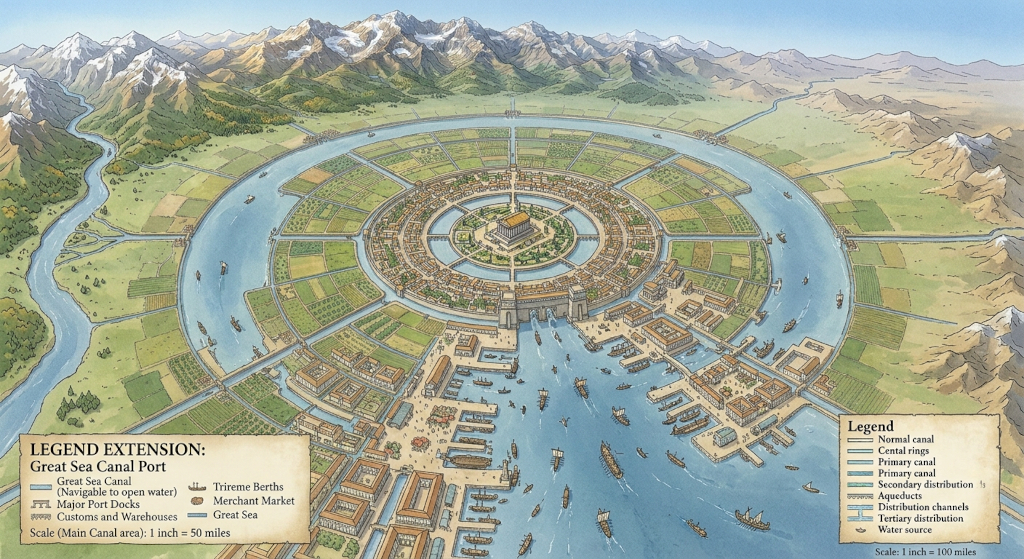
Atlantis is one of the most enduring myths of Western civilization. While often discussed as a “lost city” or “lost continent,” the consensus among historians, archaeologists, and geologists is that it is a fictional allegory. Continue reading
-
AI History: The Journey of Artificial Intelligence
The history of Artificial Intelligence is a 70-year saga of alternating cycles of extreme optimism and deep collapse (AI Winters). Starting from Alan Turing’s conceptualization of machine thinking in 1950, the field evolved from the early “symbolic” and “rule-based” approaches to the modern era of “connectionism” and Deep Learning. Continue reading
-
The Musaeum and the Great Library of Alexandria
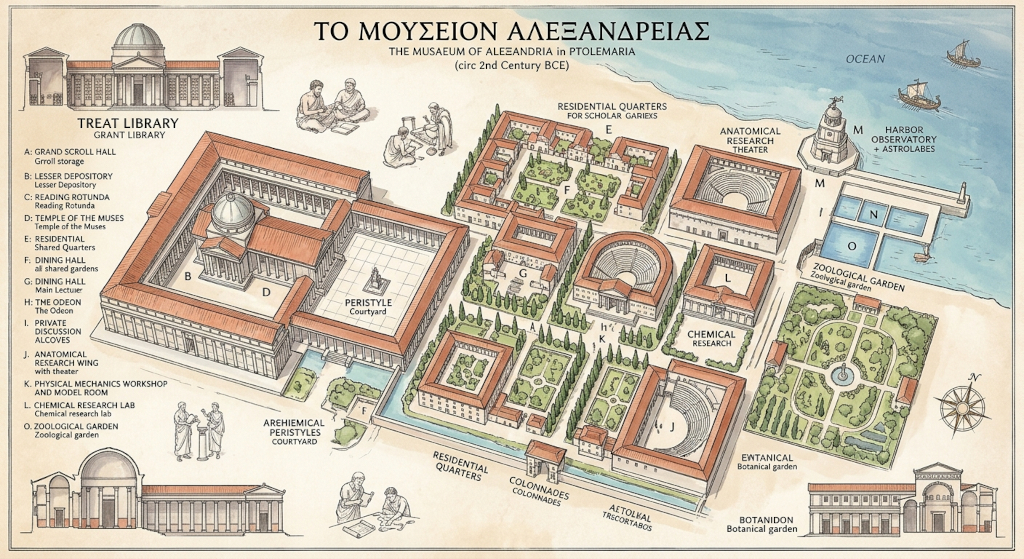
The Musaeum and the Great Library of Alexandria were not two separate entities, but rather a symbiotic pair: the Musaeum was the overarching research institution, and the Library was its crowning intellectual asset. Together, they represented the first state-funded attempt in history to create a universal repository of all human knowledge. Continue reading
-
String Theory and M-Theory
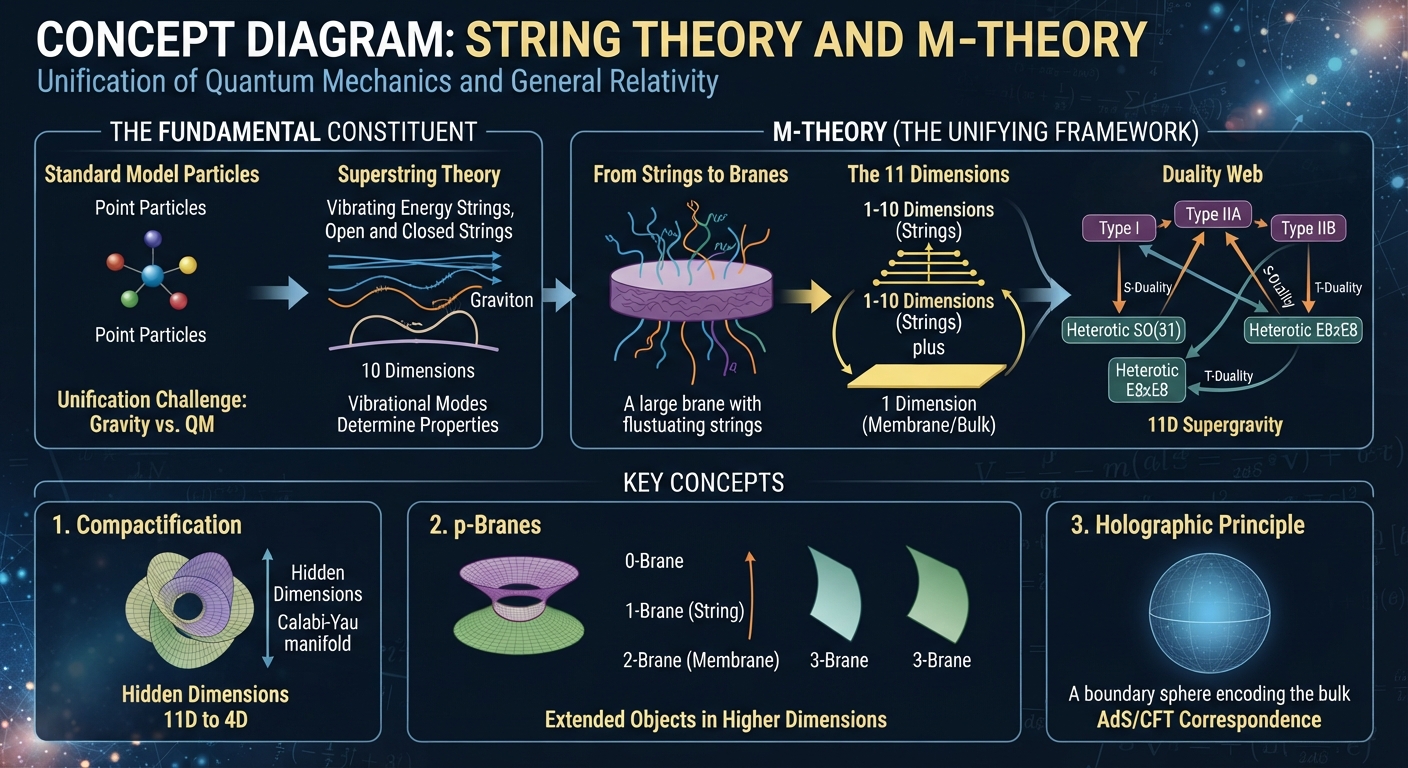
To understand String Theory and M-Theory, you have to start with the problem they are trying to solve: The Great Divide in Physics. Currently, we have two sets of rules for the universe: Continue reading
-
Alcubierre Drive
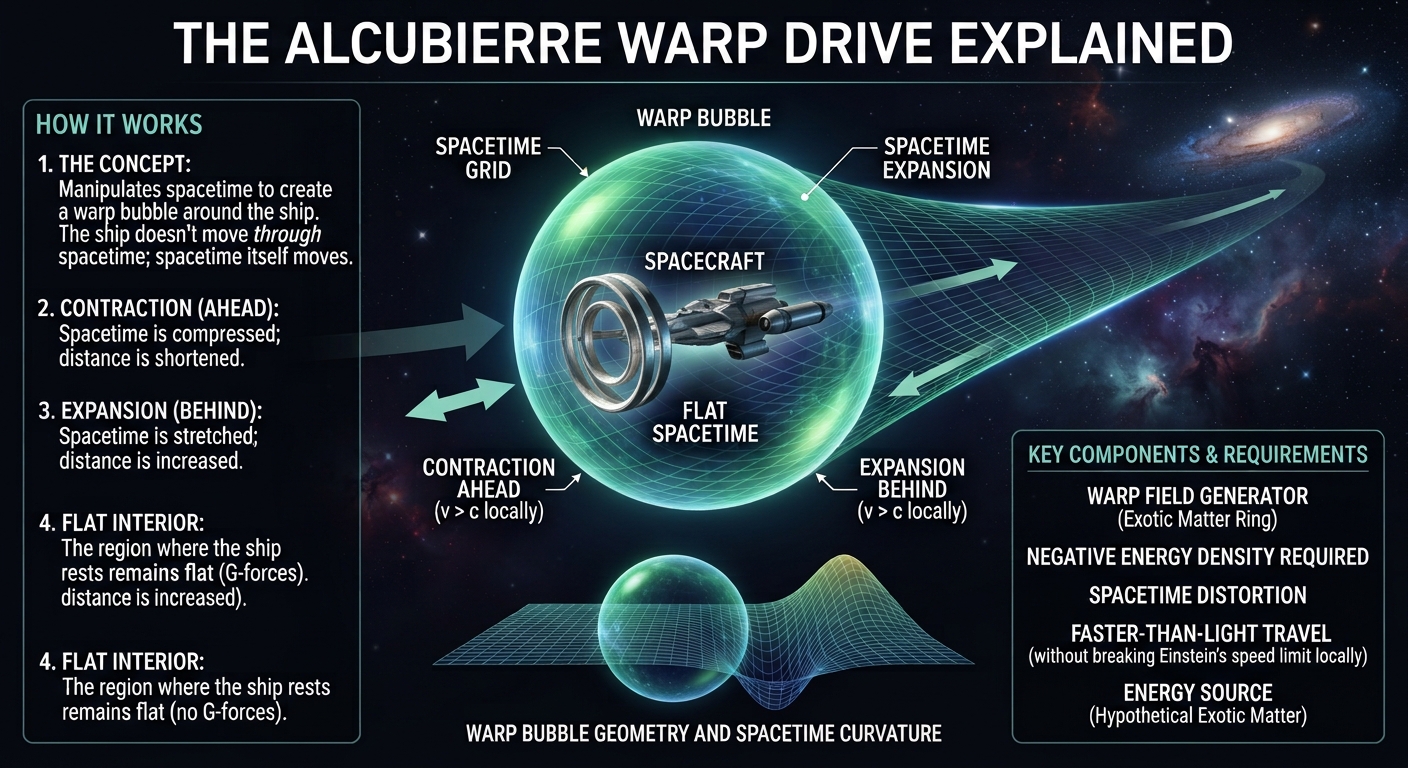
The Alcubierre engine (or Alcubierre Drive) is a theoretical solution to the Einstein Field Equations that allows for superluminal (faster-than-light) travel by distorting spacetime rather than moving a craft through space in the conventional sense. proposal by Miguel Alcubierre Moya (a Mexican theoretical physicist) Continue reading
-
Pascal: The Language That Taught Us to Code
This documentary provides an overview of the history and influence of the Pascal programming language. Created in 1970 by Niklaus Wirth at ETH Zurich, Pascal was designed as a teaching tool to introduce students to structured programming. Over the following decades, it evolved from mainframe systems to the early personal computing era, becoming the primary… Continue reading
-
Euler’s Number and Euler-Mascheroni Constant
Euler’s Number Euler’s Number (e) is a fundamental mathematical constant approximately equal to 2.71828. It is an irrational and transcendental number, meaning its decimals never repeat or end, and it is not a root of any non-zero polynomial with rational coefficients. 1. How it is determined There are two primary ways to define/calculate e: 2.… Continue reading