Based on the provided draft decree (Minuta CD-LXVI-III-1P-144 PDF document) and the context from TorrentFreak, here is the synthesis of the proposed changes to Mexico’s Ley Federal del Derecho de Autor (LFDA).
1. Summary of Changes vs. Current LFDA
The reform focuses on secondary liability for Internet Service Providers (ISPs). While Mexico implemented DMCA-style “safe harbors” in 2020, those primarily protected hosting and search services. The new changes extend these requirements specifically to consumer ISPs (e.g., Telmex, Izzi).
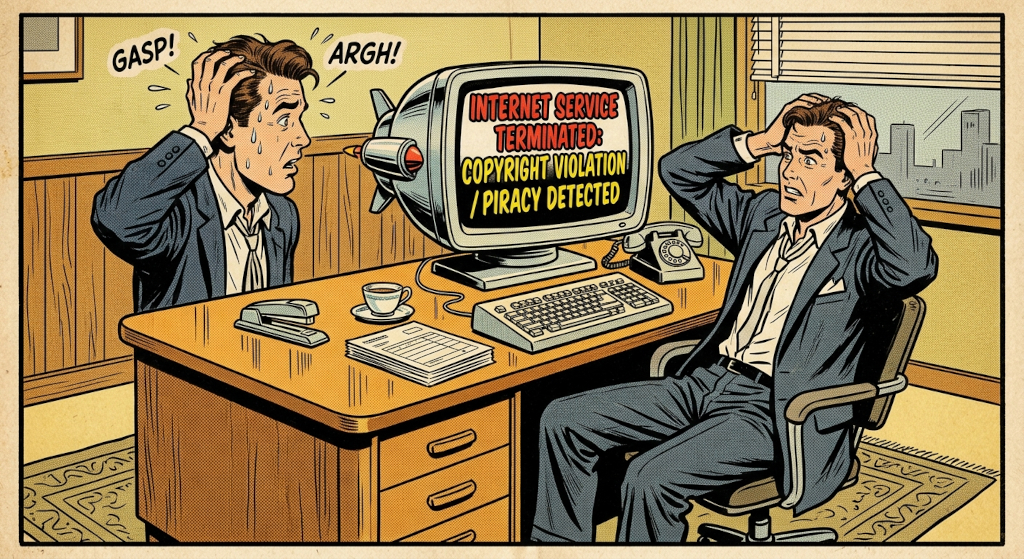
The core “trade-off” introduced is: To maintain their “safe harbor” protection (immunity from being sued for their users’ piracy), ISPs must now implement a “repeat infringer” policy.
Detailed Technical Changes:
- Article 114 Octies (Reform): Adds inciso (c). ISPs must now have a public policy to terminate service to repeat infringers. This policy must be:
- Permanently published on their website.
- Incorporated into the Terms and Conditions of service.
- Include minimal notification mechanisms for the user.
- Article 114 Nonies (Addition): Defines when an ISP becomes legally responsible for a user’s infringement. Liability triggers if the ISP fails to meet the requirements of 114 Octies AND:
- Contributes, induces, or causes the infringing conduct (with knowledge of it).
- Controls the infringing user and obtains a direct financial benefit from the piracy.
- Article 232 Septies (Addition): Establishes the penalties for ISPs that fail these conditions. These are enforced by the IMPI (Mexican Institute of Industrial Property) via fines based on the UMA (Unit of Measure and Update), ranging from 500 to 40,000 UMA, with additional fines for persisting in the infraction.
2. Entities Involved
- Governmental/Legislative:
- Cámara de Diputados & Cámara de Senadores: The legislative bodies that approved the reform.
- President Claudia Sheinbaum: The final signatory required for the decree to become law.
- IMPI (Instituto Mexicano de la Propiedad Industrial): The regulatory body responsible for auditing and fining non-compliant ISPs.
- Private Sector:
- ISPs (e.g., Telmex, Izzi): The targets of the regulation who must now implement termination policies or face liability.
- Rights Holders: Copyright owners (record labels, movie studios) who pushed for these rules.
- External Influence:
- US Government / USTR: Pressured Mexico to align its laws with the USMCA (T-MEC) trade agreement.
- IIPA (International Intellectual Property Alliance): The coalition of rightsholders that lobbied for clearer secondary liability.
3. Repercussions
- For Users: The most severe repercussion is the loss of internet connectivity. Unlike “account termination” on a platform (like YouTube), this allows the ISP to cut the entire home connection.
- For ISPs: They face a significant compliance burden. They must decide how to define a “repeat infringer,” how to handle piracy notifications from rights holders, and how to integrate these into their legal terms.
- Financial: ISPs that fail to implement these policies are now exposed to substantial fines from IMPI if they are found to be “inducing” or “profiting” from the piracy happening on their networks.
4. Side View & Critical Perspectives
There are several “blind spots” and contentious points in this reform:
- The “Repeat Infringer” Ambiguity: The law does not define what a “repeat infringer” is. It doesn’t specify a “strike” count (e.g., 3 warnings = disconnect). This leaves the threshold entirely to the ISP’s discretion.
- Due Process Gap: There is no mandatory requirement for the ISP to verify the validity of a piracy accusation or allow the user to defend themselves before the connection is severed.
- Collateral Damage: Because most residential connections are shared (Wi-Fi for a whole family), the activities of one person could leave an entire household without essential internet access.
- The “USMCA” Driver: The reform appears more as a diplomatic/trade requirement (to satisfy USMCA and the USTR) than a domestic legal evolution.
- Contrast with US Law: While the US DMCA has similar language, the US Supreme Court (e.g., in the Cox case) has recently trended toward protecting ISPs from liability even if they fail “repeat infringer” policies, provided they aren’t actively aiding the piracy. Mexico’s law takes a stricter route by making the policy a strict prerequisite for liability protection.
