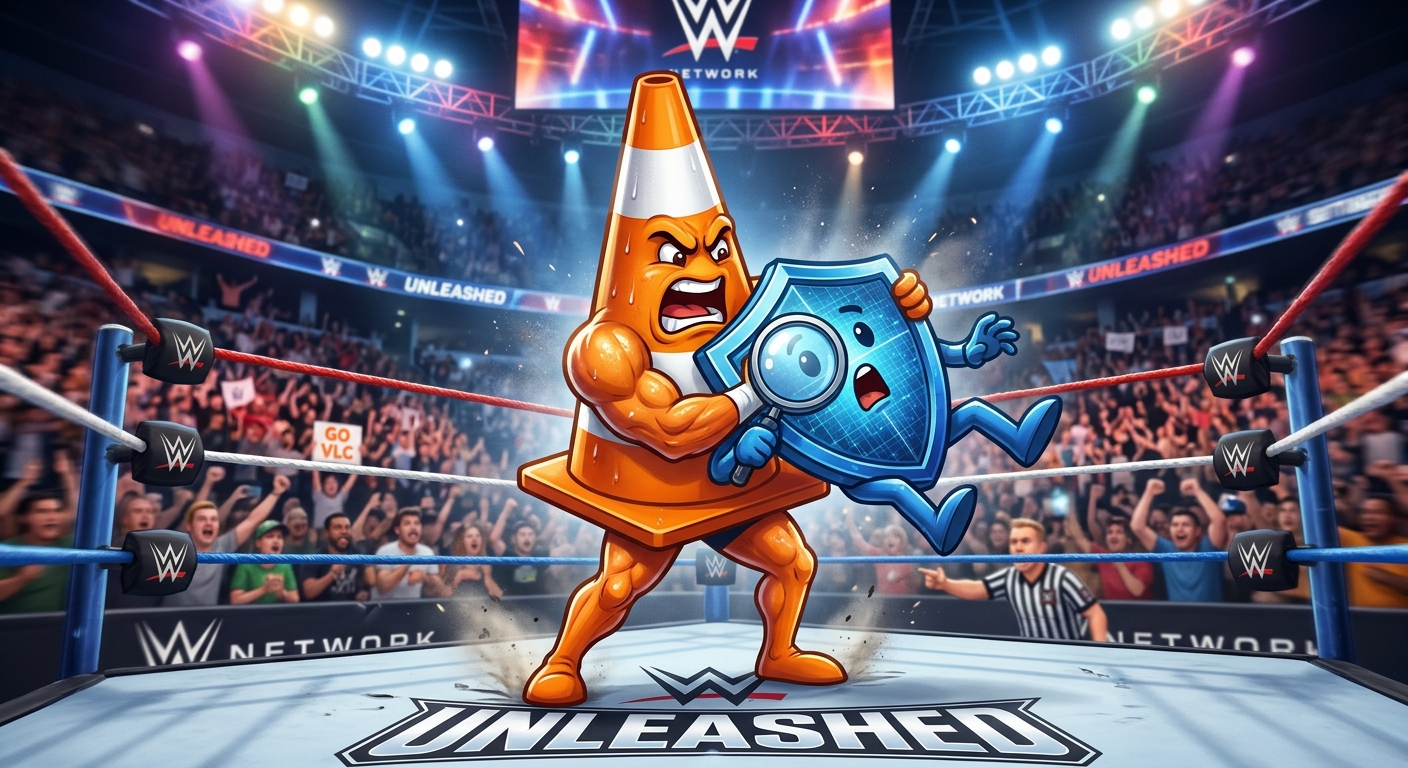
A technical conflict where the VLC media player experienced significant launch delays (up to 33 seconds) on Windows 11.
While some high-profile figures, such as programmer Jonathan Blow, criticized open-source software as “embarrassing” due to this bloat, investigation revealed that the issue was caused by Microsoft Defender. The antivirus software was blocking VLC’s “master catalog,” forcing the system to scan every file individually, which created the delay. The narrative highlights a systemic asymmetry: Microsoft’s ecosystem control allows it to inadvertently (or deliberately) handicap independent software, while the resulting performance failures are blamed on the developers rather than the OS.
Historic Context
- August 2026: The crisis peaked as users reported brutal freezes and 33-second delays when opening basic MP3 files on high-end hardware.
- August 12, 2026: VLC developers officially countered claims of bloat, attributing the lag to a Windows 11 update and Microsoft Defender.
- August 20, 2026: Microsoft officially acknowledged that a security update caused game crashes (linked to RGB lighting), though it remained silent on the VLC issue.
- 2025: Similar reports of VLC slowness caused by Defender appeared in Reddit threads, indicating a long-standing issue across Windows 10 and 11.
Key Persons
- Jonathan Blow: Acclaimed programmer (creator of Braid and The Witness) who publicly abandoned VLC and criticized open-source software, triggering a wider debate.
- Jean-Baptiste Kempf: Long-time lead of VLC, known for maintaining the project’s integrity by rejecting multi-million dollar buyouts and venture capital to keep the software clean and non-commercial.
Technical Mechanisms & Discoveries
- VLC Master Catalog: VLC uses a master catalog file to quickly locate tools and resources. This allows for near-instant startup by avoiding a full re-scan of the startup folder.
- Microsoft Defender Interference: A “buggy security fingerprint update” caused Defender to lock the master catalog, forcing the OS to manually inspect every piece of data before allowing VLC to proceed.
- OS Comparison: The “smoking gun” proof was demonstrated by running the exact same version of VLC on Linux, where it opened in one second, proving the bottleneck was the Windows OS, not the application code.
- Kernel-Space Drivers: The video discusses how RGB lighting utilities operate in “kernel space” (the most privileged level). A Microsoft security update conflicted with these drivers, leading to critical kernel failures (Blue Screen of Death).
Consequences
- User Migration: Frustrated users, including Jonathan Blow, migrated from the independent VLC player to Microsoft’s own media player, which was ironically found to be fundamentally slower and heavier.
- Reputational Damage: Open-source projects, which lack PR departments, bore the brunt of the blame for OS-level bugs.
- Regulatory Impact: Microsoft only respects user choice (e.g., default browsers and PDF readers) in the European Union due to the Digital Markets Act (DMA), suggesting that the “friction” experienced by other apps is a deliberate corporate choice.
- Developer Burden: Independent developers (like those of Paint.net) have had to rewrite error messages specifically to warn users that Windows Defender is the cause of performance issues, not the app itself.
