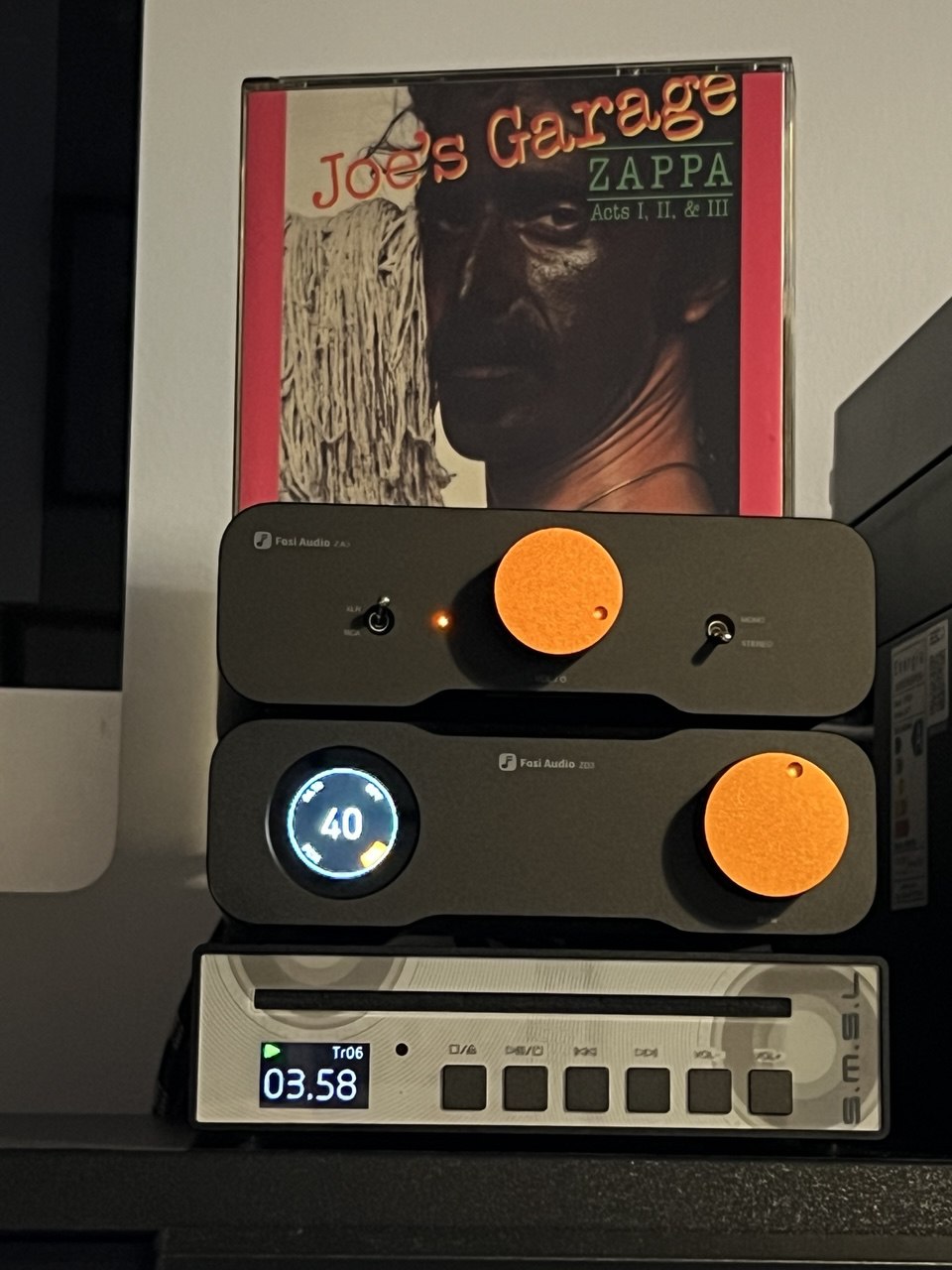
Chi-Fi (a portmanteau of “Chinese Hi-Fi”) refers to the vast ecosystem of high-fidelity audio equipment designed and manufactured primarily in mainland China, Hong Kong, and Shenzhen.
Once dismissed as low-cost clones of Western gear, Chi-Fi has evolved into a dominant force in the audiophile world, often setting the pace for innovation in the budget and mid-range segments.
1. The Value Proposition: “The Giant Killers”
The defining characteristic of Chi-Fi is the performance-to-price ratio. Chi-Fi brands are often called “giant killers” because they produce gear that competes with—and sometimes outperforms—traditional Western or Japanese brands (like Sennheiser, Sony, or Beyerdynamic) at a fraction of the cost.
- Rapid Iteration: Leveraging the Shenzhen electronics hub, Chi-Fi brands prototype and release new models at a speed traditional companies cannot match.
- Spec-Heavy Approach: They often prioritize high-end specifications (e.g., multiple drivers, high-end DAC chips) to attract enthusiasts.
- Direct-to-Consumer: Many brands bypass traditional retail margins by selling via platforms like AliExpress, Linsoul, or Shenzhenaudio.
2. Core Product Categories
Chi-Fi spans the entire audio chain, but it is most influential in these areas:
A. In-Ear Monitors (IEMs)
This is the crown jewel of Chi-Fi. They have perfected “hybrid” designs, combining different driver types in one earphone to achieve a full frequency range:
- Dynamic Drivers (DD): For bass and warmth.
- Balanced Armatures (BA): For mid-range and detail.
- Planar Magnetics: Known for speed and clarity; currently a massive trend in budget Chi-Fi.
- Electrostatic (EST): Found in high-end “Tribrids” to handle ultra-high frequencies.
B. Over-Ear Headphones
While less dominant than IEMs, Chi-Fi has made huge strides in Planar Magnetic headphones (led by HIFIMAN), which provide a wider soundstage and lower distortion than traditional dynamic headphones.
C. Source Gear (DACs & Amps)
Chi-Fi excels in “portable” high-end audio.
- Dongle DACs: Tiny USB-C amplifiers that bring high-res audio to smartphones.
- DAPs (Digital Audio Players): Dedicated high-res players for those who want to leave their phones behind.
- Desktop Stacks: High-power amplifiers and DACs for home setups.
3. Key Brands by Segment
The market is generally split into three tiers:
| Segment | Notable Brands | Characteristics |
|---|---|---|
| Budget / Entry | KZ, QKZ, 7Hz, Tangzu | Extremely aggressive pricing ($10–$100). Great for beginners. |
| Mid-Range | Moondrop, Truthear, FiiO, Fosi Audio | Focus on “Tuning” and build quality ($100–$500). Often follow specific sound targets. |
| High-End | HIFIMAN, Moondrop (Flagships) | Professional-grade materials and R&D ($500+). Heavily respected in the global community. |
4. Technical Trends & Innovation
Chi-Fi is no longer just copying; it is innovating:
- Tuning Targets: Brands like Moondrop have popularized “target curves” (like VDSF), using acoustic science to create a sound signature that mimics a “natural” human hearing response.
- DSP Integration: A recent shift toward Digital Signal Processing (DSP) via USB-C cables, allowing users to change the “tuning” of their headphones via software.
- Material Science: Use of aviation-grade aluminum, resin, and specialized diaphragms (e.g., Beryllium or Carbon Nanotube) at prices previously reserved for luxury audio.
5. Chi-Fi vs. Traditional Hi-Fi: The Trade-offs
While the sound quality is often equal or better per dollar, there are realities to consider:
| Aspect | Chi-Fi | Traditional (Sennheiser, Sony, etc.) |
|---|---|---|
| Price | Disruptively low | Premium / Brand-weighted |
| Innovation | Fast, experimental, high-risk | Slower, refined, iterative |
| QC (Quality Control) | Variable (can be hit-or-miss) | Generally consistent and high |
| Support | Primarily online/third-party | Established warranty/repair networks |
| Longevity | Models are replaced quickly | “Legendary” models last decades |
Summary for a Beginner
If you are looking to enter the world of high-fidelity audio without spending thousands, Chi-Fi is the most logical entry point. A $20 pair of budget IEMs today often sounds better than $100 consumer earbuds from five years ago, providing a gateway into a deeper hobby of critical listening.
